Recurring mobile-money billing for developers
Engineering guides for recurring mobile-money billing: billing architecture, callbacks and webhooks, idempotency, asynchronous payment state, payment-state normalization and provider adapters.
Guides in this topic (15)
All guides
M-PESA Recurring Billing Architecture: IDs, Callbacks and State Flow
A Daraja-specific architecture for recurring M-PESA billing using invoice IDs, CheckoutRequestID, callbacks, M-PESA Express Query and transaction references.
Read guide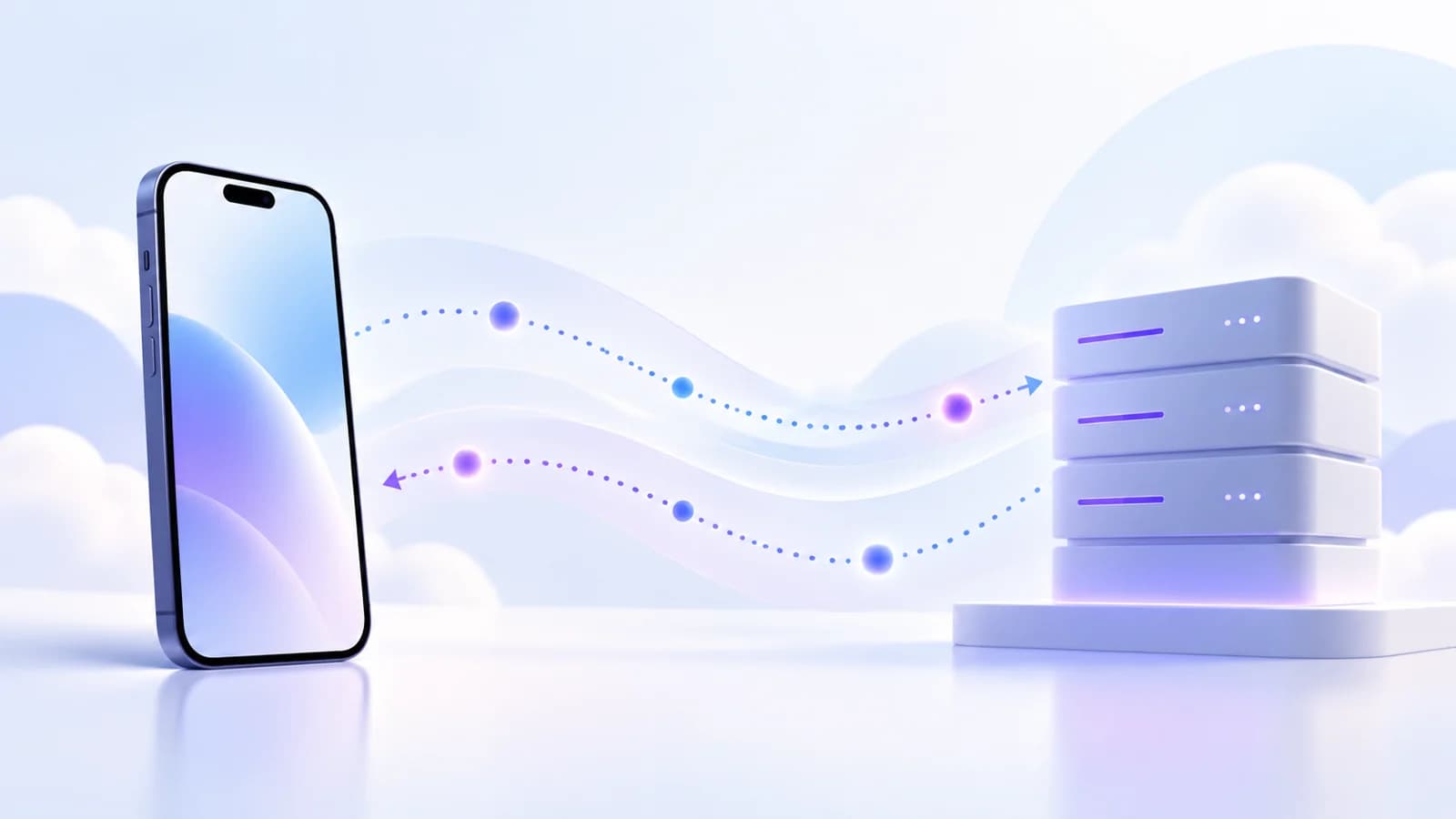
M-PESA Webhooks and Callbacks for Recurring Billing
Learn how M-PESA STK callbacks work, how to handle duplicate results safely and when to query an unresolved payment.
Read guide
Idempotency for Mobile-Money Payments: Prevent Duplicate Attempts and State Changes
Practical idempotency patterns for recurring mobile-money systems, covering request retries, callbacks, invoice creation and single-winner payment closure.
Read guide
Asynchronous Mobile-Money Payment State: Why No Callback Does Not Mean Failed
Design mobile-money systems around asynchronous callbacks, query paths, unknown state, out-of-order events and safe retry blocking.
Read guide
How to Normalize Payment Status Across Mobile-Money Providers
Build one payment-state model across M-PESA and other providers while preserving raw result codes, provider confirmation and safe retry behavior.
Read guide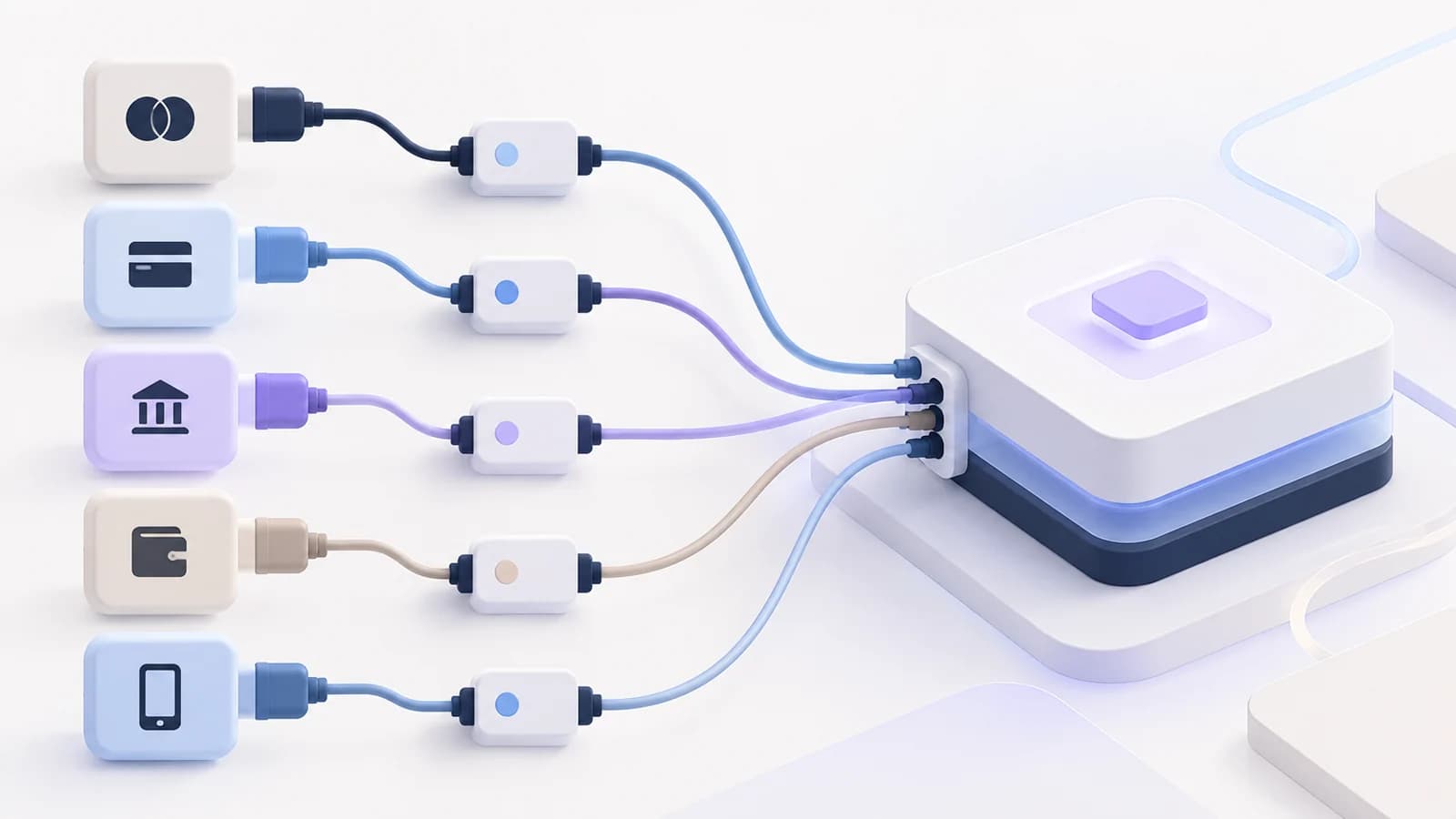
Airtel Money API for Recurring Collections: What the Integration Must Handle
Build recurring Airtel Money collections around invoice state, country-scoped merchant configuration, asynchronous payment results and reconciliation.
Read guide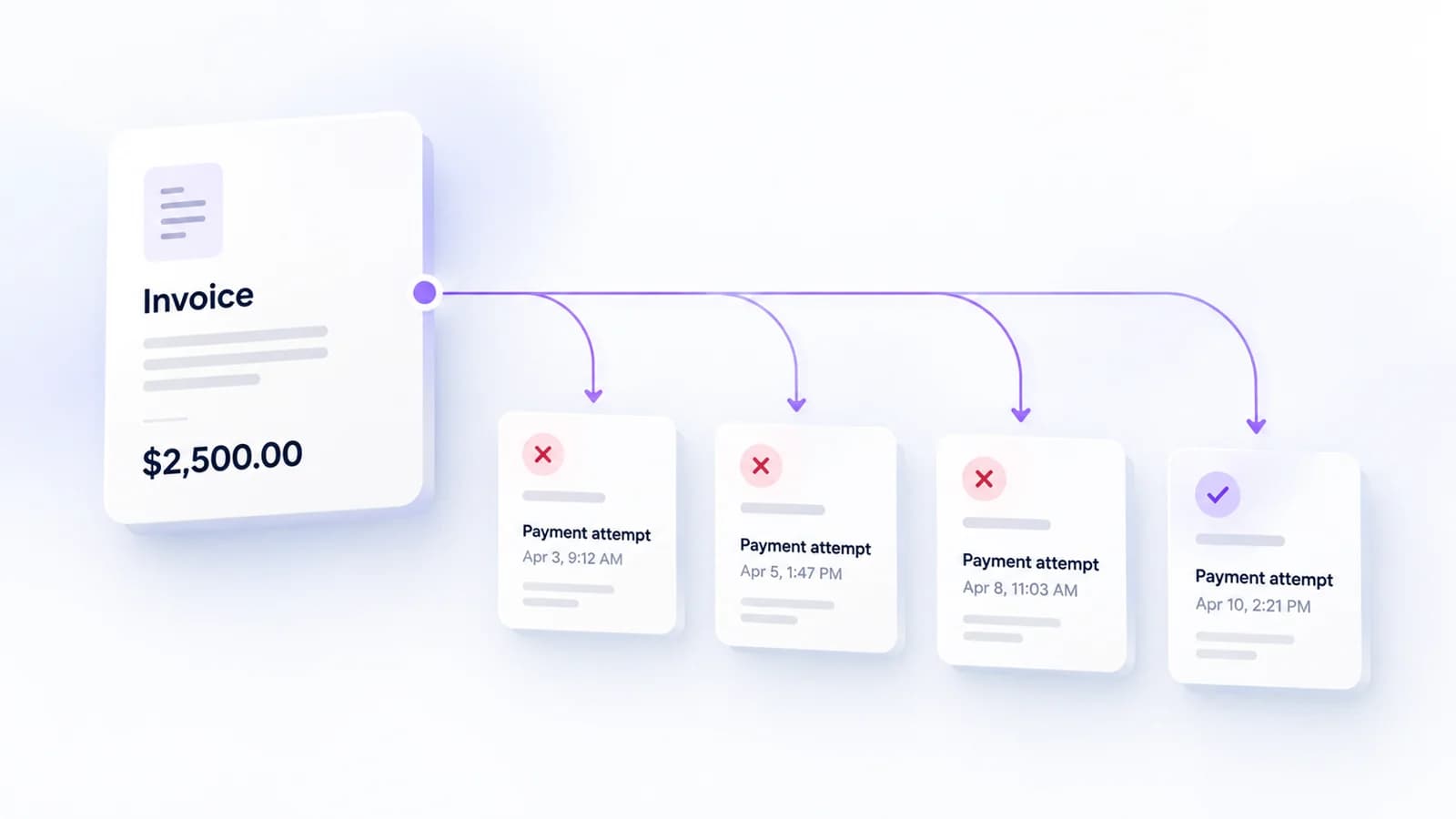
Invoice vs Payment Attempt: A Data Model for Recurring Payments
Model invoices, payment attempts and provider events separately to prevent duplicate charges and preserve an auditable history.
Read guide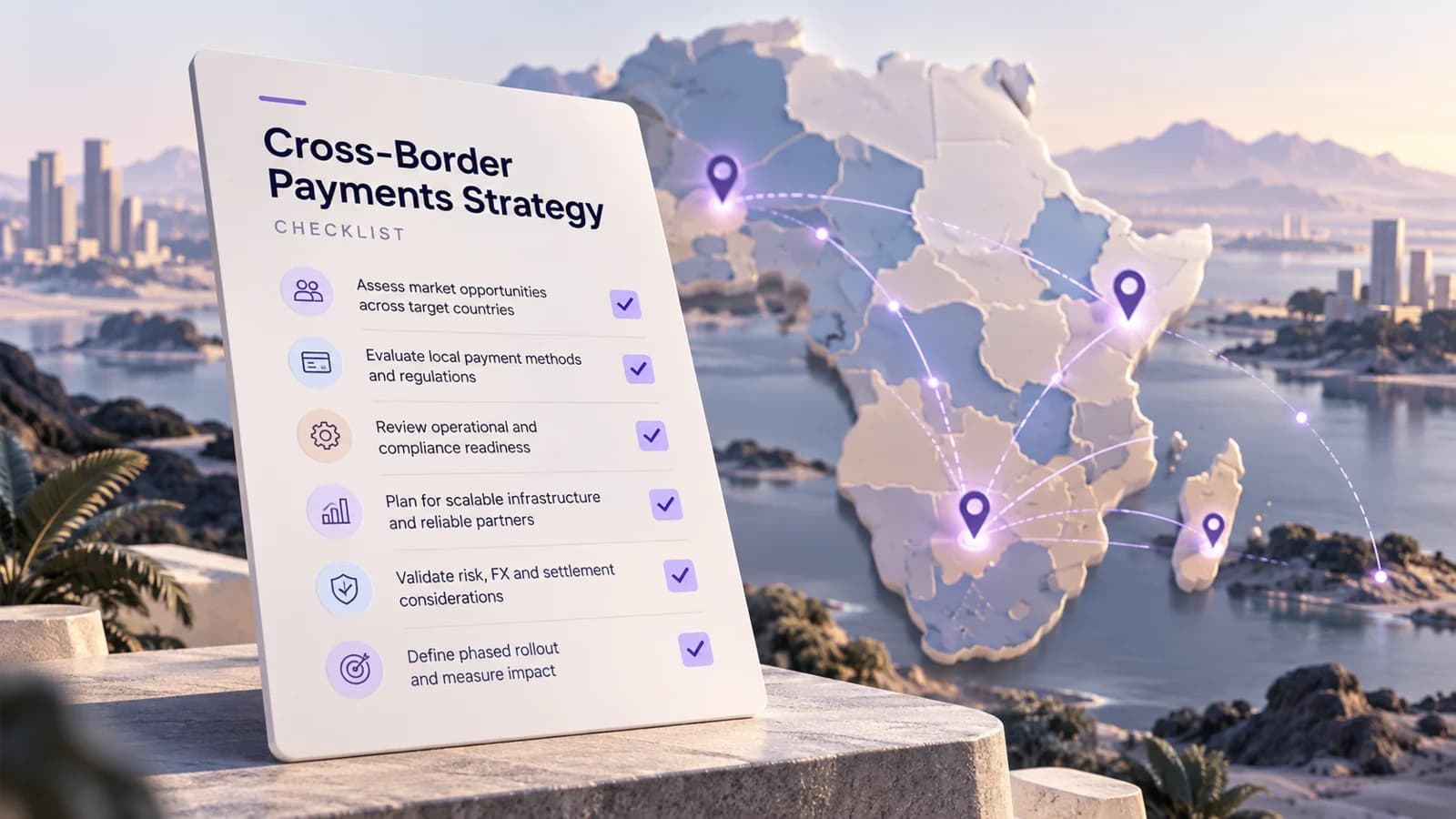
Multi-Country Payment Integration Checklist
Use a market-by-market checklist for African recurring-payment integrations, covering merchant eligibility, wallets, state and settlement.
Read guide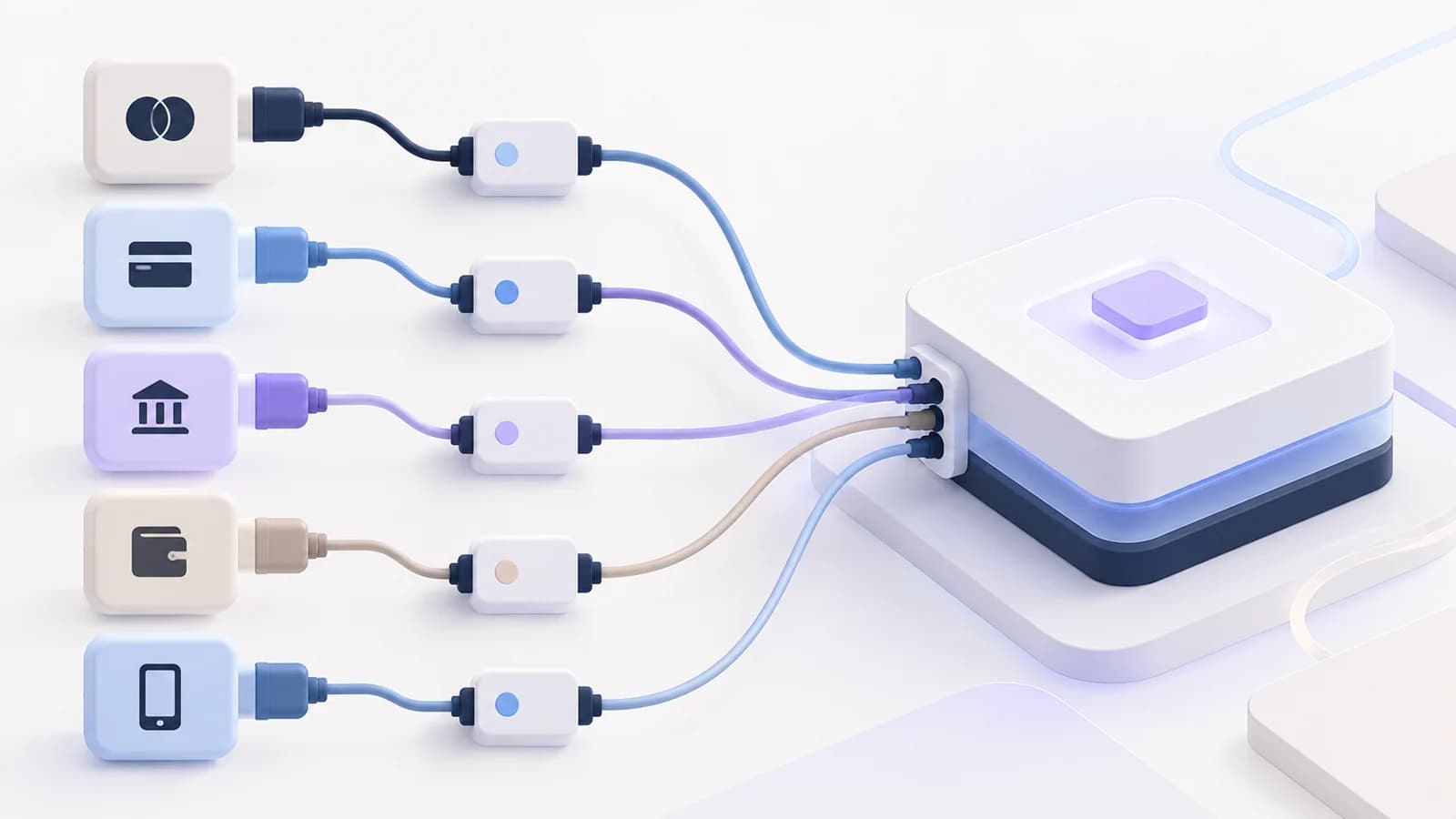
Payment Gateway vs Billing Platform vs PSP
Compare payment gateways, payment service providers and billing platforms to see what each handles for recurring businesses.
Read guide
Provider Adapters: Keep Billing Stable While Payment APIs Change
Design provider adapters for M-PESA, Airtel Money and MTN MoMo without hiding country-specific APIs or payment evidence.
Read guide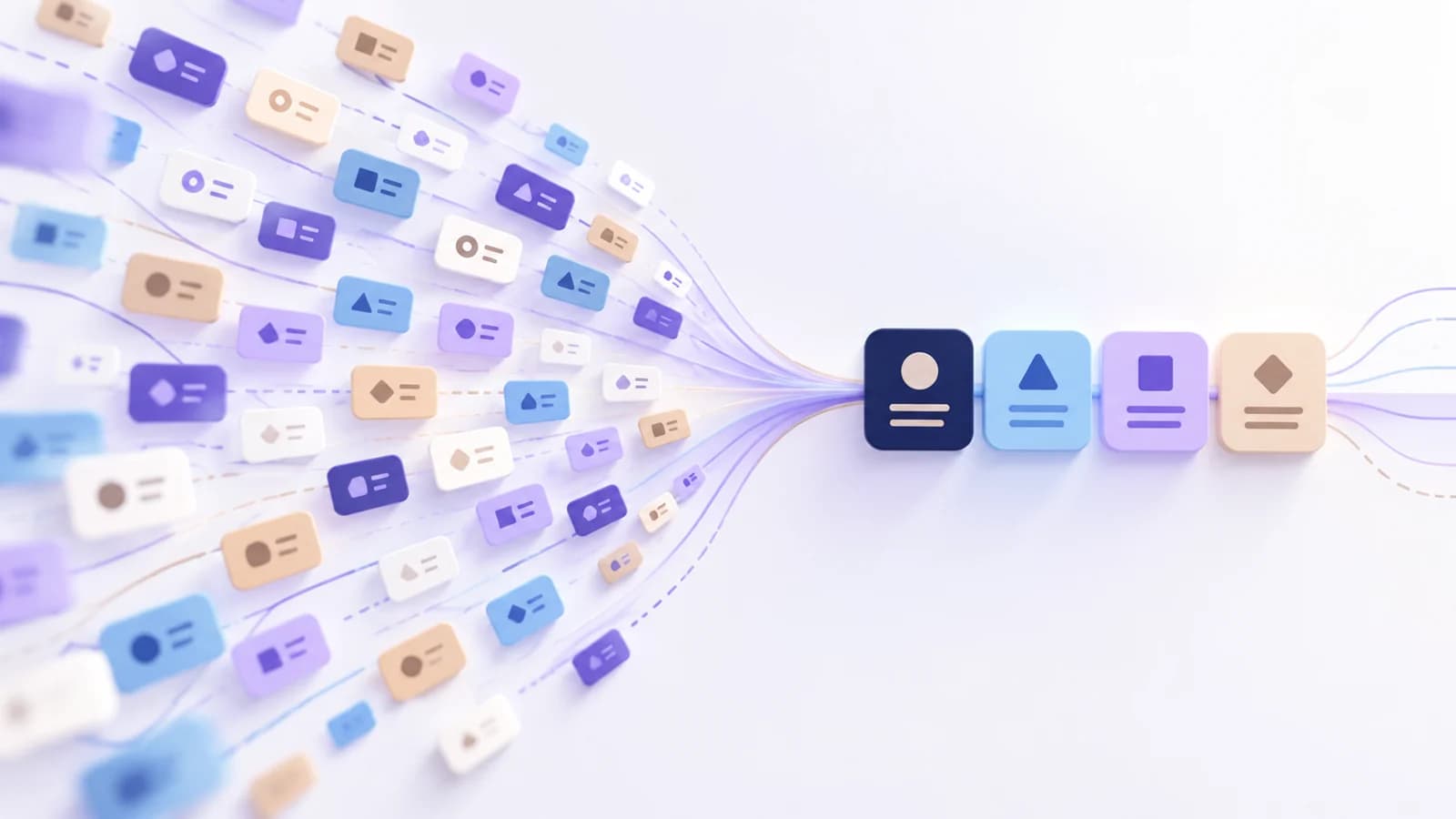
What Is Payment-State Normalization?
A concise definition of payment-state normalization and why multi-provider billing systems use it.
Read guide
How to Prevent Duplicate M-PESA Collections During Retries and Late Callbacks
Prevent duplicate M-PESA collections with one invoice, append-only attempts, CheckoutRequestID tracking, idempotency, query-before-retry and atomic invoice closure.
Read guide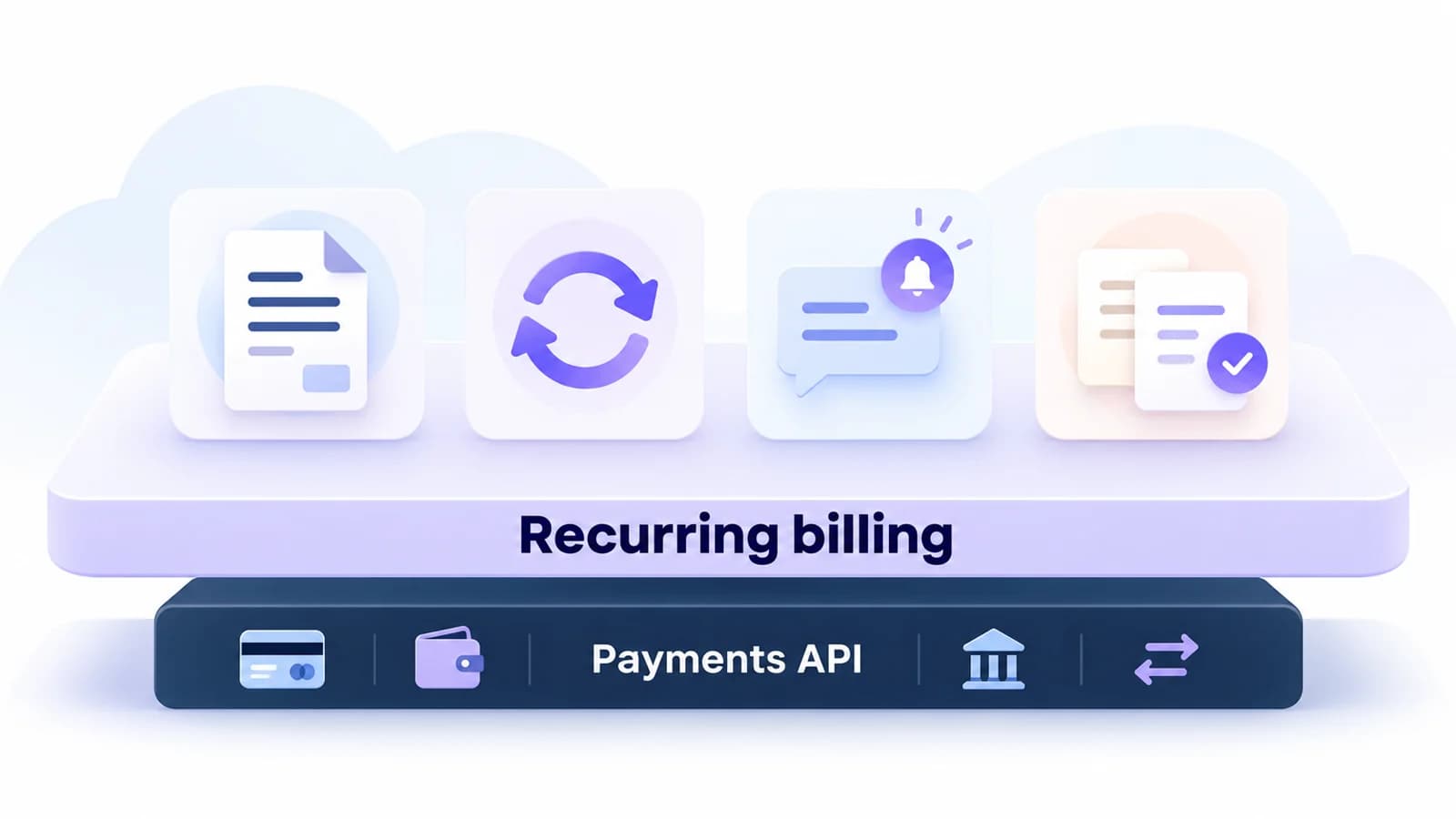
A Unified Payments API Is Not a Recurring Billing System
A unified wallet API moves payment requests; recurring billing still needs invoices, authorization, recovery and reconciliation.
Read guide
What Is Payment Orchestration?
Learn what payment orchestration coordinates, how it differs from billing and when businesses need multiple provider channels.
Read guide
Recurring Mobile-Money Payments API: What an African Billing Integration Needs
Designing a recurring mobile-money payments API for Africa? Separate obligations from attempts, normalize provider state, handle callbacks safely and preserve reconciliation evidence.
Read guideOTHER TOPICS
SEE ROAMERWAVE
- DevelopersInvoices, checkout links and precise payment states over an API.
- The Roamerwave platformBills, payment requests, reminders and records in one place.
- How it worksFollow one regular payment from due date to paid.