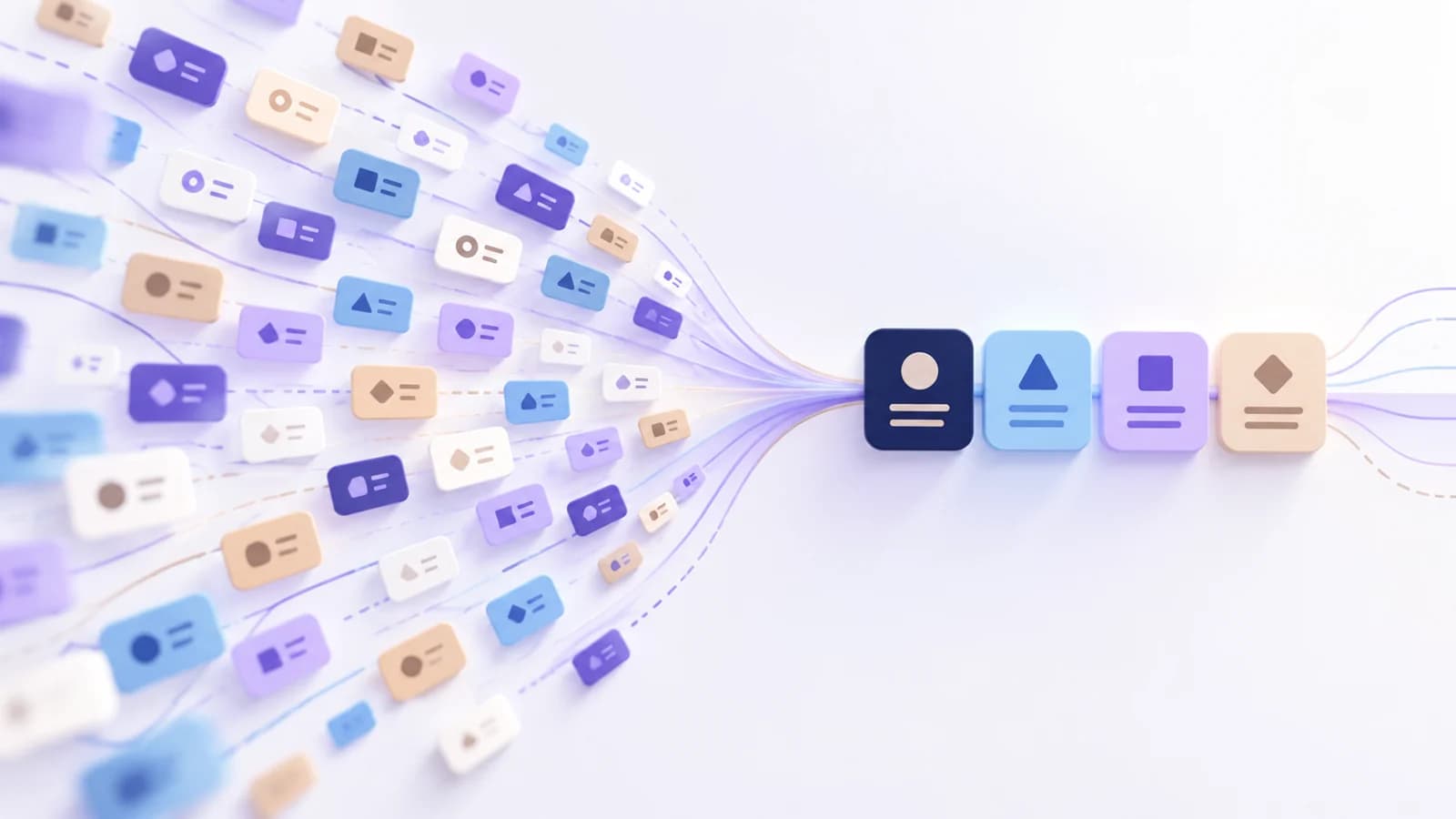
Payment-state normalization is the process of mapping provider-specific payment statuses into a small, stable set of internal states that the business can use consistently.
For example, two providers may use different words or result codes for a payment that is still waiting for customer action. The billing system can map both into one internal state such as AWAITING_CUSTOMER while preserving the original provider value.
Why it matters
Without normalization, every provider can force the merchant to build separate reminder rules, dashboards, support procedures and service logic.
With normalization, those business rules can operate on a shared vocabulary.
A common internal state set
- INITIATED — the attempt exists.
- AWAITING_CUSTOMER — customer action is required.
- PENDING — provider processing continues.
- SUCCEEDED — payment completed.
- FAILED — final unsuccessful result.
- EXPIRED — the request or authorization window ended.
- UNKNOWN — there is not enough evidence to call the attempt successful or failed.
Normalization does not erase provider evidence
Store the normalized state and the raw provider status together. Support, engineering and finance may still need the original result code, reference and timestamps.
Invoice state is separate
A payment attempt can be FAILED while the invoice remains DUE. Another attempt can later SUCCEED and close the same invoice.
Normalization solves the payment-attempt vocabulary problem; it does not replace the commercial invoice state.
Where to go next
For the implementation detail — mapping tables, adapter rules, late events and provider-specific result handling — use the full guide on normalizing payment status across providers.
Normalization is a contract with the rest of the system
Support, recovery and service logic should depend on the meaning of normalized states, not on whichever provider is currently connected. That means each state needs a precise definition and allowed transitions.
For example, UNKNOWN should mean there is not enough evidence to classify the attempt as final. It should not be used as a synonym for technical error or customer failure.
Good normalization preserves two layers
- Stable internal state for business decisions.
- Raw provider code/status for debugging, support and reconciliation.
The detailed normalization guide shows how to build provider-specific mappings and test late or duplicate events.