Churches and community organisations can have repeated giving patterns without treating voluntary giving like a debt.
Distinguish voluntary giving from a commercial obligation
A pledged contribution, membership due or programme fee can have a schedule. A voluntary offering should not be represented as overdue debt merely because someone did not contribute this month.
Record what the supporter agreed to
If a supporter chooses a monthly contribution, record the amount or rule, frequency, purpose and how they can stop or change it.
Use references for funds and campaigns
An organisation may collect general giving, building-fund contributions, event fees and welfare contributions. The payment reference should preserve which fund or commitment the payment belongs to.
Keep reminders appropriate to the relationship
Reminder wording should reflect the nature of the contribution. Do not copy debt-collection language into voluntary giving.
Finance still needs reconciliation
Even where the contribution is voluntary, the organisation needs to match provider references, supporter or member records where appropriate, funds and reporting periods cleanly.
Different recurring patterns need different language
A church or community group may have membership dues, a voluntary monthly pledge, a building-fund commitment, an event registration and an emergency welfare contribution at the same time. Those are not interchangeable.
The billing record should identify which type of commitment the person chose. That lets reminders and reporting reflect the relationship accurately.
Make opt-out and changes easy
If someone chooses a monthly contribution, provide a clear way to change the amount, pause or stop future reminders. A voluntary commitment should not quietly become an indefinite debt simply because the original schedule was recurring.
Treat one-time giving separately
A donor who contributes once to a fundraiser should receive a confirmation for that payment, not be enrolled automatically into a recurring schedule. The recurring rule should exist only where the contributor or member actually agreed to it.
Finance needs fund-level allocation
- general fund or unrestricted contribution;
- building or capital project;
- membership dues;
- welfare/community fund;
- event or programme fee.
Keeping those distinctions in the ledger makes receipts, internal reporting and later reconciliation much easier than relying on free-text payment messages.
What automation should avoid
Do not send increasingly aggressive reminders for a voluntary contribution just because the date passed. Automation should follow the organization's policy and the nature of the commitment, with human review where the context is sensitive.
Receipts should preserve the purpose
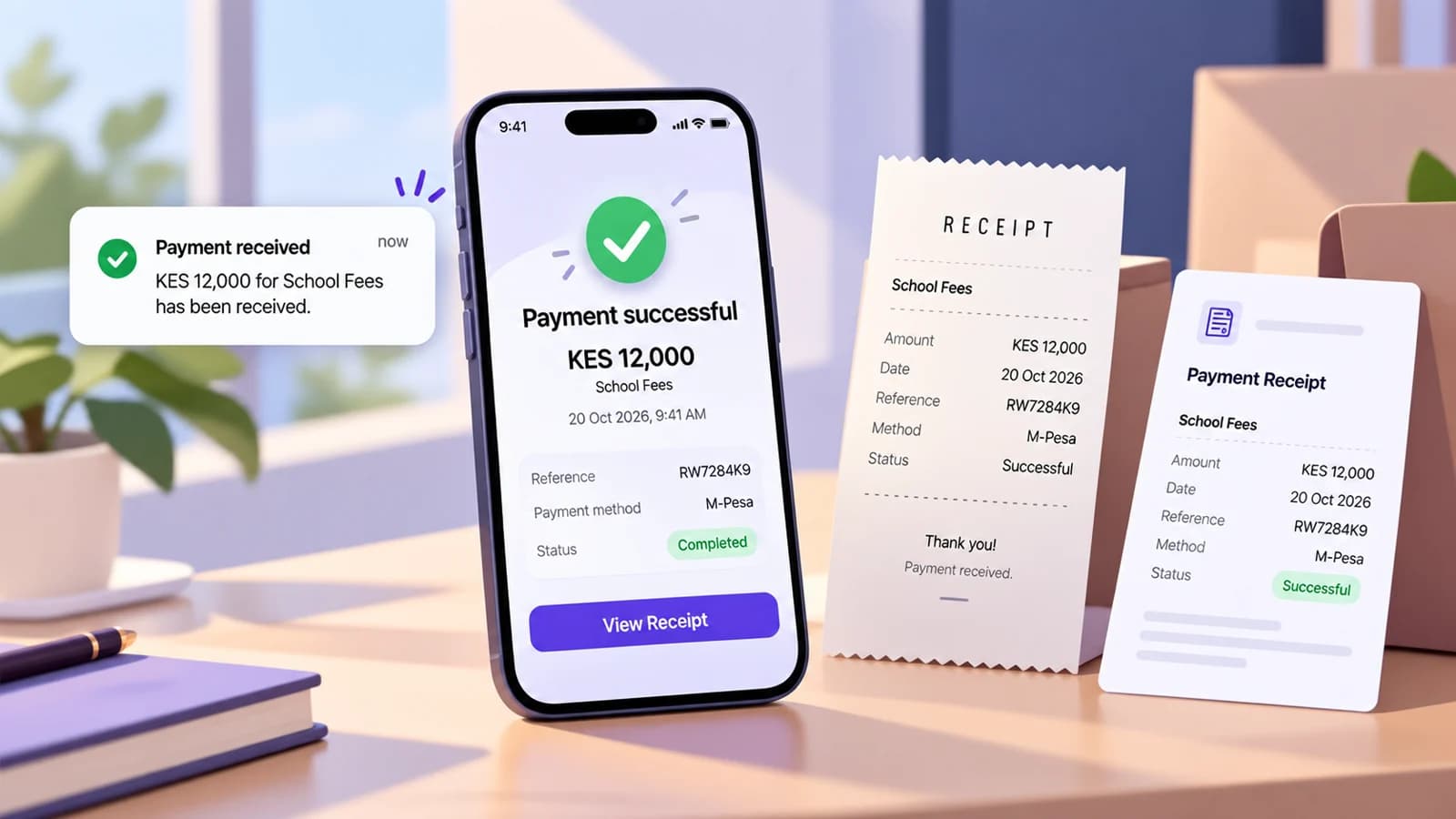
A confirmation should identify the fund, programme or membership obligation that was paid. That helps the contributor and the organisation correct a wrong allocation without losing the original mobile-money transaction evidence.