Two developments below are supported by market statistics. The remaining four are operational priorities suggested by provider capabilities and recurring-payment workflows—not separate measured growth trends. Keep that distinction in mind when planning.
1. Mobile money remains a very large part of Kenya's payment environment
The Communications Authority reported about 54.0 million mobile-money subscriptions as at June 2026. CBK reported 95.31 million registered mobile-money accounts in August 2026.
Those figures measure different things, so businesses should not call either one “unique users.”
2. Merchant payments are becoming more important
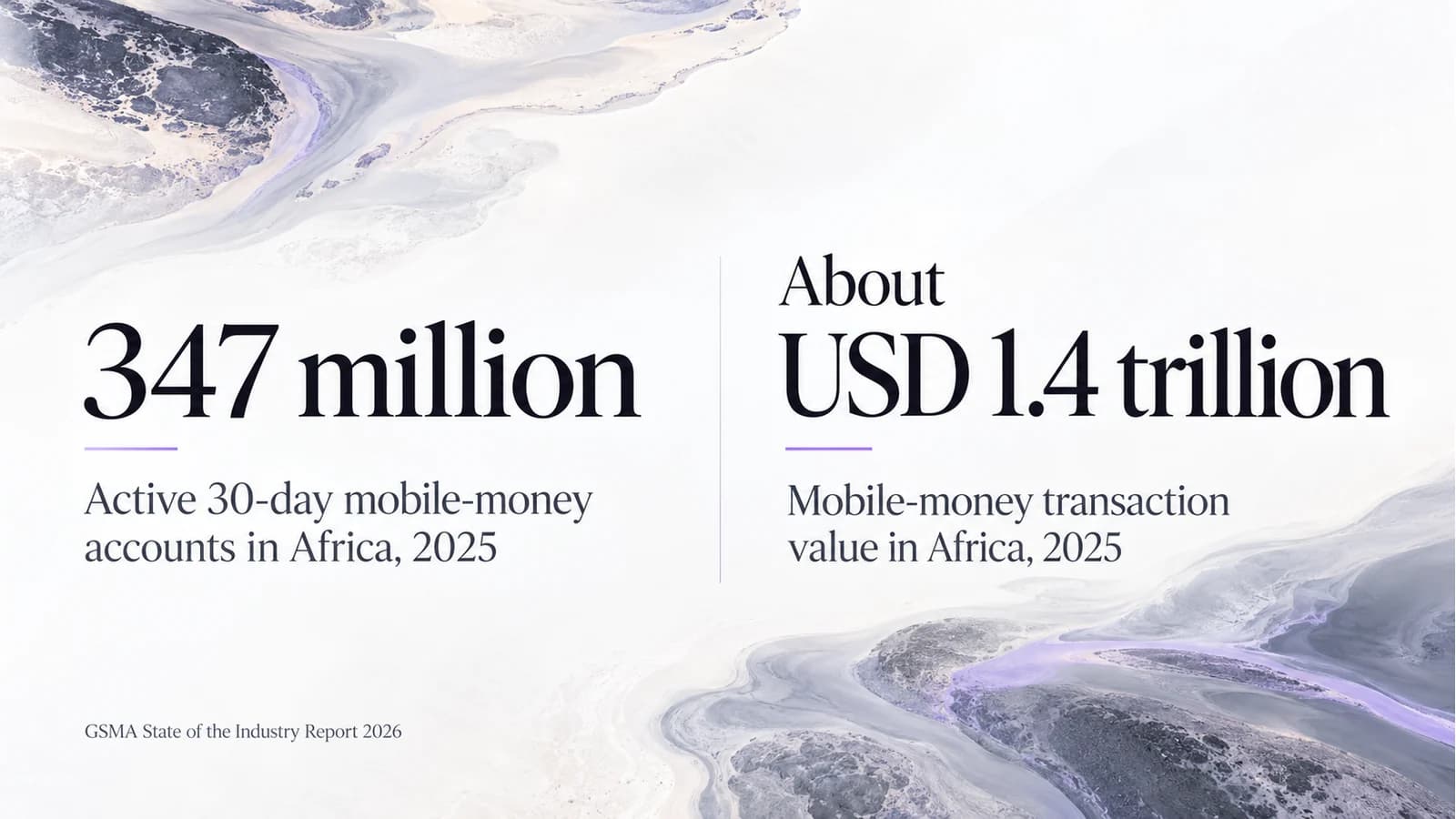
GSMA's 2026 State of the Industry Report estimated global mobile-money merchant payments at USD 155 billion in 2025, up 42% year over year, with East Africa accounting for roughly three-quarters of the growth.
For merchants, that is more relevant than headline person-to-person transfer volume because it reflects mobile money being used to pay businesses.
3. Operational priority: manage payment state across methods
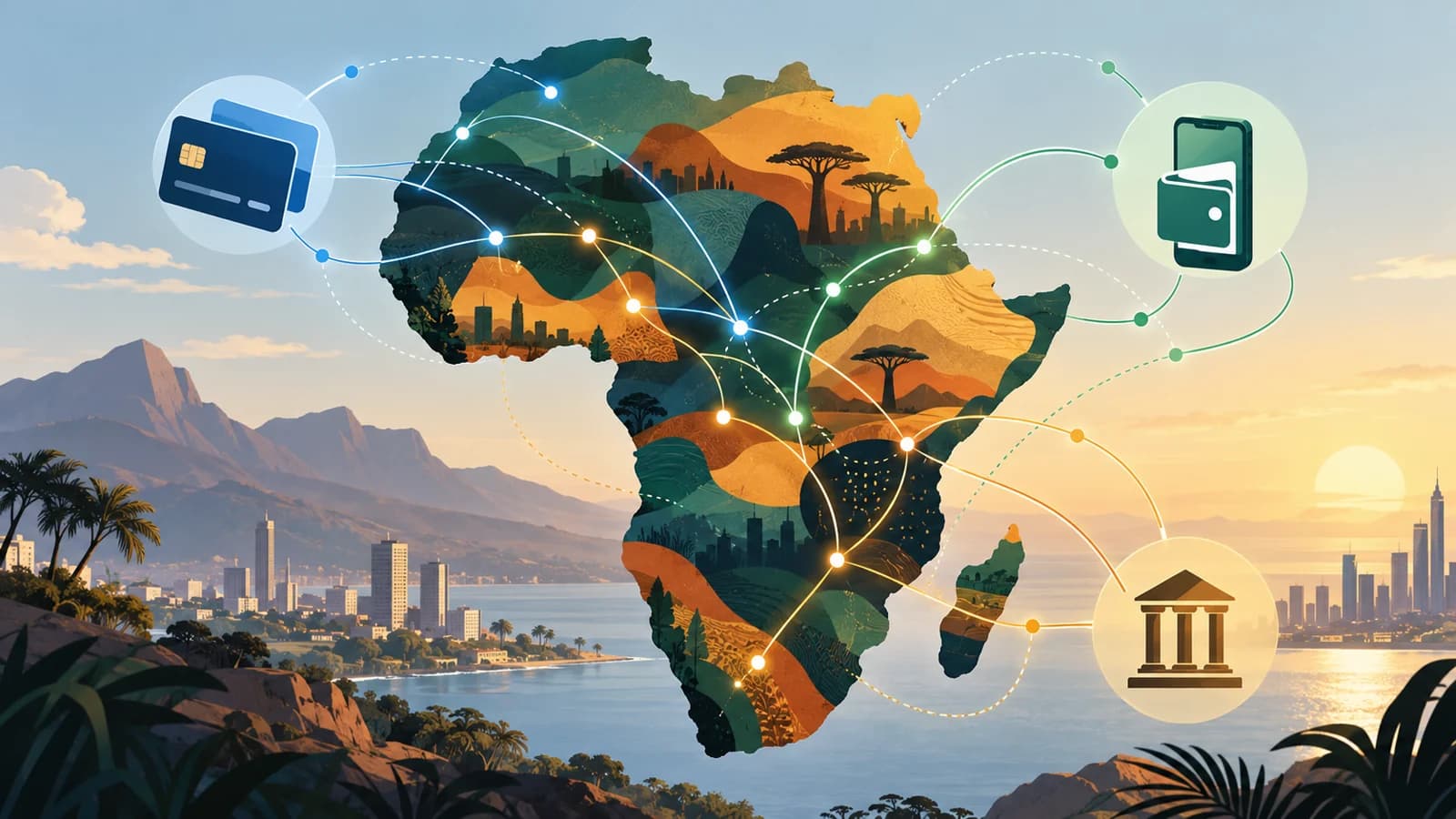
A merchant may combine M-PESA, Airtel Money, cards and bank-based methods. The customer gets choice; the merchant gets more provider references, asynchronous states and reconciliation sources to manage.
The operational challenge is no longer only accepting a method. It is keeping one invoice model across several methods.
4. Operational priority: verify asynchronous payment results
Asynchronous mobile-money flows make “request accepted” different from “payment completed.” Safaricom's Daraja flow, for example, provides M-PESA Express Query for unresolved STK requests.
Businesses need safe verification before retrying or changing customer access.
5. Operational priority: connect reconciliation to customer outcomes
Poor matching is no longer only a month-end finance inconvenience. It can cause paid customers to receive reminders, lose access or contact support.
That makes invoice references, provider evidence and exception handling part of the payment product itself.
6. Operational priority: configure payment rails country by country
The same wallet brand can behave differently by country. Airtel Africa manages developer applications per operating company, while M-PESA merchant services in Kenya and Tanzania sit under different operator setups.
Regional businesses should keep commercial billing stable while scoping wallet and provider capability to each market.
What these trends do not prove
They do not prove that every merchant needs recurring-payment software, that one wallet should replace cards, or that any specific product will improve conversion or recovery.
They describe the operating environment. Merchant-specific results still need to be measured.
How a business should use these trends
Use the two market developments as evidence of scale, then treat the four operational priorities as questions to test within your own business. For example, test whether a second wallet improves payment completion without increasing support or reconciliation costs.
Market statistics do not establish what every merchant should do. Choose priorities based on your actual customer payment preferences, provider access, payment-state reliability and reconciliation workload.
Sources
Communications Authority of Kenya Q4 FY2025/26 sector report: https://www.ca.go.ke/reports-and-studies
Central Bank of Kenya mobile payments data: https://www.centralbank.go.ke/national-payments-system/mobile-payments/
GSMA State of the Industry Report on Mobile Money: https://www.gsma.com/sotir/
Safaricom Daraja API catalogue: https://developer.safaricom.co.ke/apis
Airtel Africa Developer Portal: https://developers.airtel.africa/